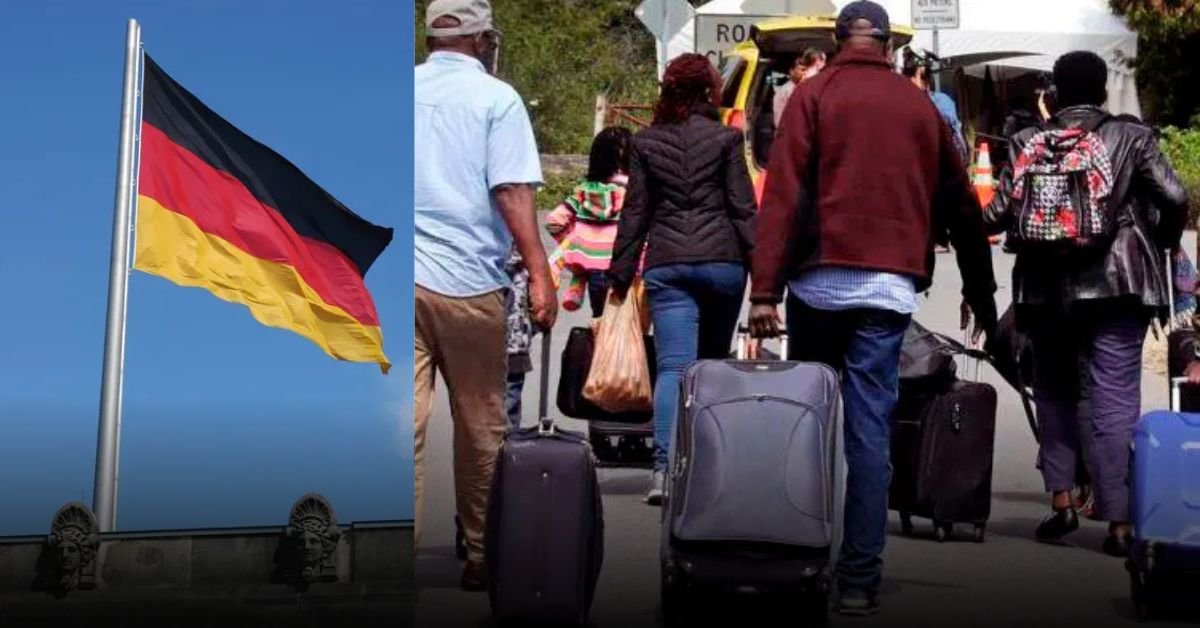
Are you planning to join your husband or wife in Germany? Germany is a beautiful country in the middle of Europe. Many people want to visit their spouse for a short time or move there to live together forever. This guide will help you understand the Germany Spousal Visa rules in 2026. It explains everything in simple steps so you can apply with confidence.
Germany has changed some rules for immigration. Now, there is more use of digital checks for papers. Also, spouses can often start working right away. The main law is the German Residence Act. This guide uses easy words to explain what you need to do.
Choosing the Right Pathway: Schengen vs. National Visa
First, decide what kind of visa you need. It depends on how long you want to stay in Germany.
Schengen Visa (Category C)
This is for short visits. You can stay up to 90 days in 180 days. It is good for holidays, family time, or short trips to see your spouse. If your spouse is from another EU country (not German) but lives in Germany, you may get this visa faster. Sometimes, there is no fee because of EU rules on free movement. This helps families stay together easily for short times.
For this visa, you need basic papers like a valid passport, photos, travel plan, and proof of money for your stay. You also need health insurance that covers the Schengen area. If your spouse invites you, they can give a letter or proof of support.
This visa lets you visit not only Germany but other Schengen countries too.
German Family Reunion Visa (National Visa Type D)
If you want to live in Germany for a long time with your spouse, you need this visa. It is also called the German Family Reunion Visa. After you arrive, you change it to a residence permit (Aufenthaltstitel) at the local office.
This visa is for permanent family life. Your spouse must live legally in Germany. They can be a German citizen, an EU citizen, or a non-EU person with a valid permit.
You apply for this at the German embassy or consulate in your country. After approval, you get a Type D visa to enter Germany.
Critical Eligibility: The A1 Language Requirement
For long-term family reunion, Germany wants you to learn basic German. This helps you live and integrate better.
Most people need an A1 German Language Certificate for Spouse Visa. This is called Start Deutsch 1. It shows you know simple German words and sentences for daily life.
You take a test at places like Goethe-Institut or other approved centers.
Exemptions from German A1 Language Test
You do not need the A1 test in some cases. For example:
- Your spouse has an EU Blue Card (for highly skilled workers).
- Your spouse is a highly qualified worker or self-employed in a special way.
- You come from certain countries like the USA, Australia, Japan, Canada, South Korea, Israel, New Zealand, or the United Kingdom.
These rules help fast integration for skilled families. Always check your case because rules can depend on your spouse’s job or permit type.
Post-Arrival: Integration Course
After you arrive in Germany on a family reunion visa, you often must join an Integration Course. This course teaches more German up to B1 level. It also explains German laws, culture, and life. The government may pay for part or all of it.
This course is important for your future residence permit and to become a permanent resident later.
Documentation and Financial Security
Many applications get delayed because papers are missing. Make sure your file is complete. This is called “Decision Ready.”
Here are the main things you need:
- Valid passport with enough blank pages.
- Marriage certificate. It must have an Apostille (legal stamp) if from another country. Then, get it translated by a sworn translator into German.
- Proof of your spouse’s life in Germany: Their residence permit, passport copy, job contract, or salary slips.
- Verpflichtungserklärung (Formal Obligation Letter): Your spouse signs this at the local office in Germany. It promises they will support you with money and housing so you do not need government help.
- Proof of housing: Germany has a Minimum Square Meter Housing Requirement. Usually, you need about 12 square meters per person in the home. Your spouse must show a rental contract or house papers.
- Health insurance: You need Incoming Insurance for Spouse Visa Germany. It must cover you fully before the visa is given. After arrival, you join your spouse’s German health insurance.
- Photos, application form, and sometimes proof of no criminal record.
All foreign papers need legal verification (like Apostille) and German translation.
Financial proof is very important. Your spouse must earn enough to support both of you. If salary is low, they may ask for a blocked account (like for students), but this is not always needed for family reunion.
2026 Timelines and the Interview Process
Germany Family Reunion Visa Processing Time 2026
It usually takes 3 to 6 months. Sometimes faster if papers are perfect (1-3 months). The embassy sends your application to the foreigners’ office (Ausländerbehörde) in Germany for final check.
For short Schengen visits, processing is quicker, often 2-4 weeks.
In 2026, spouses often get work rights right away. No extra approval from ZAV (Federal Employment Agency) is needed in most cases.
Common German Embassy Visa Interview Questions for Spouse
At the interview, officers ask simple questions to check your marriage is real. Be honest and calm.
Common questions:
- When and where did you get married?
- How did you meet your spouse?
- What does your spouse do in Germany (job, studies)?
- Where will you live in Germany?
- Does your spouse speak German? What about you?
- Do you have children? Plans for family?
- How will you support yourselves?
Bring originals and copies of all papers. Dress nicely and answer clearly.
Step-by-Step Guide to Applying in 2026
Follow these steps carefully:
- Language Test — If needed, take and pass the Start Deutsch 1 (A1) test. Get the certificate.
- Gather Documents — Collect marriage certificate with Apostille and translation, health insurance, housing proof, financial support letter, and all other papers.
- Book Appointment — Book your VFS Global Germany Appointment 2026 early. Slots fill fast. Use the official website or VFS center in your country.
- Submit Application — Go to the appointment. Give biometrics (fingerprints and photo). Pay the fee (usually €75 for national visa).
- Attend Interview — Answer questions. Show originals.
- Wait for Decision — Track your application. If approved, get the visa in your passport.
- Travel and Register — After arrival in Germany, register at the local residents’ office (Bürgeramt or Einwohnermeldeamt) within 2 weeks. Then apply for your residence permit at the foreigners’ office.
Frequently Asked Questions (FAQ)
-
Can I work on a Spousal Visa?
Yes. In 2026, most family reunion visas let you work immediately. No extra permission needed in many cases.
-
Is a Blocked Account required?
Not usually. It is common for students. For family reunion, it is only asked if your spouse’s income does not meet the secure livelihood rule. The formal obligation letter is enough in most cases.
-
What if my marriage is recent?
Officers may ask more questions to check it is genuine. Have photos, messages, or proof of relationship.
-
Can children come too?
Yes, minor children can join. They have easier rules, often no language test.
This guide gives you the main information for 2026. Rules can change a little, so always check the official German embassy website or Foreign Office page for your country. Talk to VFS Global or a trusted advisor if needed.
Disclaimer: This article is for information and education only. Please check official sources before you apply. Good luck with your application! Many families succeed and start a happy life in Germany together.