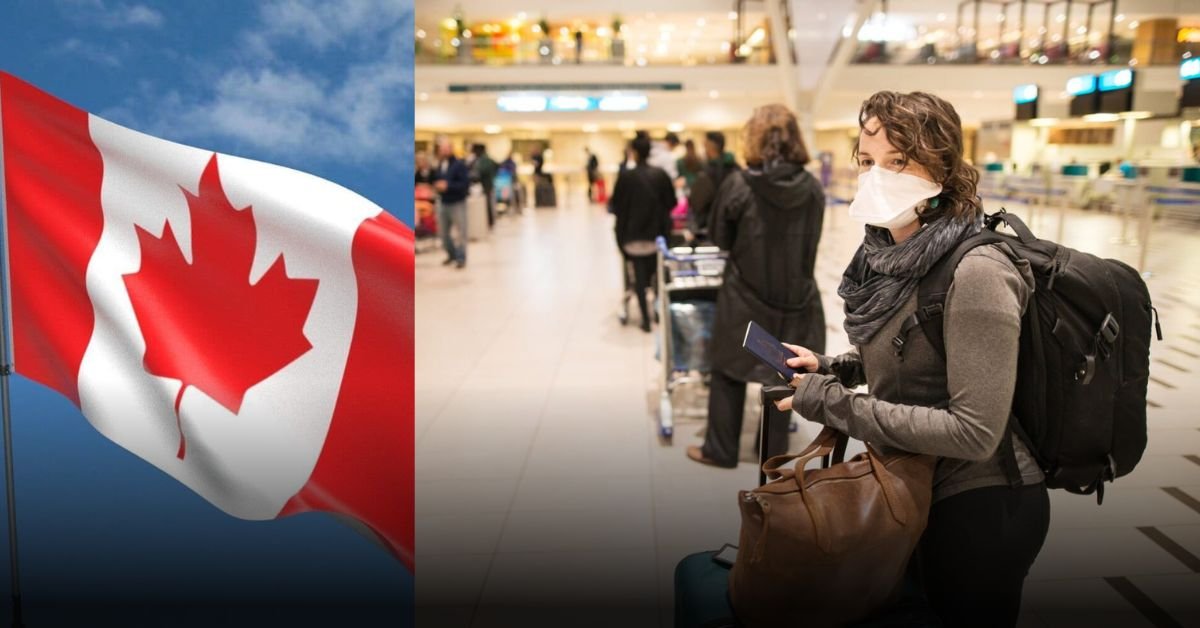
Reuniting with your loved ones in Canada is a big and happy moment in life. But the rules for immigration change over time. In 2026, Immigration, Refugees and Citizenship Canada (IRCC) has made the family sponsorship process more digital and modern. This means you need to be careful with online steps to get success.
This guide uses simple words to help you understand the process. It covers spousal sponsorship Canada checklist 2026, updates for the PGP Program Canada 2026, and other family options. Follow this to increase your chances of getting a “Decision Made” status.
How to Sponsor a Relative for Canada PR 2026
To start sponsoring, you must be a Canadian citizen or a permanent resident. You must also be at least 18 years old. The main rule is that you can support your family member with money. You must not let them use social assistance from the government.
IRCC checks if you can give them food, home, clothes, and other basic needs.
Key Sponsorship Categories
There are different groups of family members you can sponsor:
- Spouse, Common-law, or Conjugal Partner — This is for people who are married or live together like a married couple. Common-law means you lived together for at least one year. Conjugal partner is for people in a close relationship but cannot live together because of reasons like laws or distance.
- Dependent Children — This is usually for children under 22 years old who are not married or in a common-law relationship. Sometimes older children can qualify if they depend on you because of school or health problems.
- Parents and Grandparents (PGP) — This program lets you sponsor your parents or grandparents. But in 2026, there is a big change. IRCC is not accepting new applications for PGP. They are only processing old applications from 2025, up to about 10,000 files. No new lottery or interest forms in 2026. If you want to bring parents or grandparents, look at the Super Visa option instead.
- Other Relatives — You can sponsor some other family like orphaned brothers, sisters, nephews, or nieces. There is also a special rule for “Lonely Canadian” cases. This means if you have no other close family in Canada, you can sponsor one relative.
Navigating the IRCC Permanent Residence Portal
Paper applications are almost gone. In 2026, you must send everything online through the IRCC Permanent Residence Portal. This makes things faster but you need to follow steps carefully.
The Digital Workflow
- Account Creation — You create an account on the IRCC website. Sponsors and the people applying use the Individual Portal. If you have a lawyer or representative, they use the Representative Portal.
- AOR (Acknowledgment of Receipt) Timeline 2026 — After you send the application, IRCC sends an AOR. This is a message that they got your file. In 2026, it usually comes in 4 to 8 weeks. With AOR, you can track your case online. It shows steps like background checks and eligibility.
- Biometrics and Medical Request Canada — After AOR, IRCC often asks for biometrics (fingerprints and photo) and medical exams. This happens about 2 to 3 months after AOR. You must go to an approved doctor for medical check. Do this fast to avoid delays.
Financial Requirements: MNI and the NOA
Money rules are important. For spouse, partner, or child sponsorship, there is no fixed income level in most cases. But you must show you can support them. For parents, grandparents, and some other cases, you need to meet the Minimum Necessary Income (MNI). IRCC looks at your income from the last three tax years.
- Income Proof — They check your Notice of Assessment (NOA) from Canada Revenue Agency (CRA). This shows your tax returns.
- Length of Undertaking Canada — When you sponsor, you sign a promise. For spouse or partner, you support them for 3 years. For parents or grandparents, it is 20 years. You pay for their needs if they cannot.
Pro Tip: If your income is low for parent sponsorship, the Super Visa Canada 2026 is a good choice. It lets parents or grandparents stay up to 5 years each time. You can renew it. But it is not permanent residence. They need private health insurance and you need to meet some income rules.
Spousal Sponsorship: Inland vs. Outland
For spouses or partners, there are two main ways. Choose the right one for your life.
Inland Sponsorship vs. Outland Sponsorship
- Inland Sponsorship — The person you sponsor must live in Canada. They can apply for an Open Work Permit after some steps. This lets them work while waiting. But they should not leave Canada much, or it can cause problems. Appeal rights are limited if refused.
- Outland Sponsorship — The person can live anywhere, even outside Canada. No work permit until they get PR. But they can travel more freely. If refused, they have full right to appeal at the Immigration Appeal Division (IAD).
Both ways need strong proof that your relationship is real.
Relationship Proof
IRCC wants to see that your relationship is genuine and not just for immigration. You must show things like:
- Shared bank accounts
- Joint lease or home papers
- Photos together over time
- Messages, travel records, and letters from family and friends
For conjugal partner or common-law partner Canada, proof is very important.
IRCC Processing Times 2026 for Sponsorship
IRCC tries to process fast, but times change because of many applications.
Current times in 2026:
- Spousal (Inland/Outland) — About 10 to 21 months. Inland can take longer, around 20-21 months outside Quebec. Outland is often 14 months.
- Parents and Grandparents — 20 to 37 months, but only for old 2025 cases. New ones not accepted.
- Dependent Children — 6 to 10 months.
If your case is slow or you get a Procedural Fairness Letter (PFL), it means the officer has questions. Maybe about relationship or eligibility. Answer quickly and fully to get to Decision Made (DM) status.
If your file stops, check your portal often.
Visual Guide: The Sponsorship Roadmap
For a visual walkthrough of the new 2026 portal interface, check out this tutorial: Canada Family Sponsorship Process Explained.
Frequently Asked Questions (FAQ)
-
Can I sponsor my sibling to Canada in 2026?
No, in most cases. Only if they are an orphaned minor or you meet the “Lonely Canadian” rules with no other close family.
-
What is the age limit for dependent child sponsorship?
The child must be under 22 and not married or in a common-law relationship.
-
Is the Open Work Permit still available for inland spouses?
Yes. After AOR and some eligibility check, the spouse in Canada can apply for an Open Work Permit.
Final Step: Start Your Application
This Canada Family Sponsorship Guide 2026 helps make a hard process easier. Use a good Spousal Sponsorship Canada checklist 2026. Check all documents before sending to avoid return because of missing papers.
Ready to bring your family to Canada? Share this guide with friends or family who need it. Always check the official IRCC website for the latest rules, as things can change.
Disclaimer: This article is for information and learning only. Please check official sources like the IRCC website before you make any decisions.